Drywall Repairs


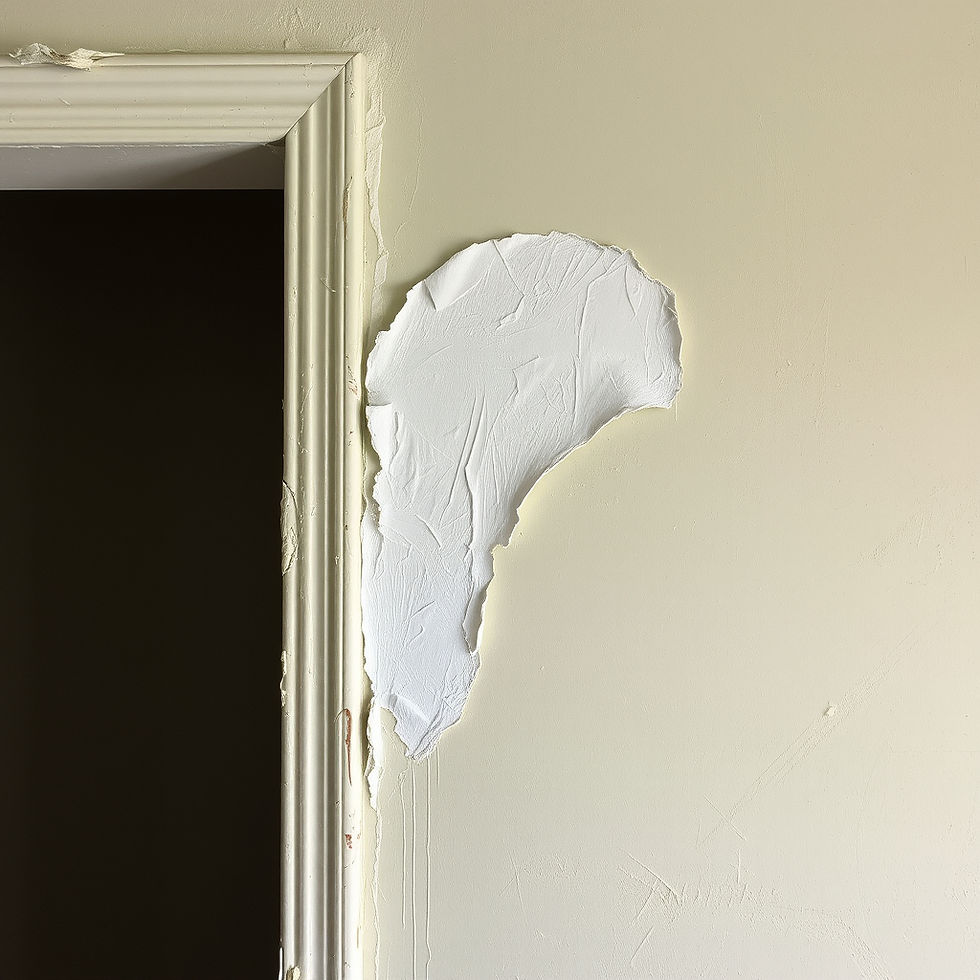
Drywall repairs, believe it or not, are a huge part of why I got so passionate about painting. When I first started out in this journey I worked for another painter. He had a deal worked out with a roofing company so we got a lot of water damage jobs. The water would make all the tape joints come down or fail. The rooms looked terrible. Stains on the ceilings and walls, joint compound and tape hanging across the room. The homeowners were always sad or upset about how their once beautiful rooms now looked like disaster zones. The joy came to me in seeing the look on their faces when they walk back into that room and see it restored to its former glory as if nothing happened. Happy people with a look of joy and relief on their faces. That's what motivated me to keep coming back, that feeling of helping someone and solving their problems, better than expected.
We not only offer drywall replacement and water damage repairs here, but we do it with a dustless sanding system from Festool. The key to customer satisfaction here is not only a repair that looks like it never happened, but doing that repair in the cleanest way possible. No one wants a quarter inch of dust all over everything in their house.
We offer a wide range of repairs, from a total ceiling replacement, to just covering an old phone jack hole.
Key things to remember when doing a drywall repair yourself:
Check for pipes and wires. Sawing or running a screw into a pipes and wires can cause another huge problem so check before you start.
Make sure you have the correct thickness replacement drywall. If you get the wrong thickness and think you can correct it with more spackle, think again. That will end up looking terrible or failing, or both.
Cut pieces of wood to use around the perimeter of the hole. This will keep the repair from cracking out later.
Cut the patch out 1st nice and square. then lay the patch over the hole and trace around it with a pencil. Then cut out the hole to match the patch exactly. This is much easier then cutting the patch to fit the hole.
Next, hold it all together with 1 5/8" course thread drywall screws.
We like to use fibafuse tape because it's much stronger than paper tape and setting time joint compound like 20 minute mud for the 1st and 2nd coats for added strength.
Once that is all sanded and looking good, dust it off and prime the patch and mud. Use PVA or something designed to go over new drywall. Then 2 coats of paint and your done. You should paint the entire wall corner to corner for best results.


Comments